

Members of the SPAB living and working in Scotland decided to form their own semi-autonomous group in 1995, with the more formal SPAB Scotland being launched a few years later in 1999. Scotland has its own building traditions, architectural language and property laws, all of which are best dealt with locally. All members of SPAB residing in Scotland are automatically members of SPAB Scotland. If you are a SPAB member residing outside Scotland and would like to find out more about SPAB Scotland events and activities, please contact our Scotland Officer Lucy Stewart at scotland@spab.org.uk to be added to the mailing list. Members north of the border get all of the benefits of SPAB membership, plus a dedicated series of events, both technical and recreational.
Membership administration is handled by the SPAB in London, so please join online.
SPAB Scotland has its own committee, which is currently made up of six members. There can be up to 12 committee members, and the term of appointment is three years. SPAB Scotland guardians generally meet online over lunchtimes, with occasional in-person meetings. Each year we have one dedicated Spring Brainstorm where we all visit an interesting place and let the ideas for future SPAB activities flow. If you would like to know more about being part of the committee or simply helping out with one or two events, please get in touch with us. Our current chair is Tyler Lott Johnston.
Guardians for SPAB Scotland are: Ian Mitchell Davidson (Aberdeenshire), Aida Dehpour (Aberdeenshire), Martin Hadlington (Oban), Madeleine Clark (Galashiels), John Robson (Edinburgh), and our chair is Tyler Lott Johnston (Edinburgh / Northumberland).
If you are interested in becoming a Guardian / committee member, you must first be a SPAB Member. Please get in touch in the first instance to discuss the options, thank you.
HES Grant 2026-28
'Maintaining Scotland's Historic Places of Worship'
We are delighted to report that we have a three year grant from Historic Environment Scotland to present 21 Maintenance Days for Historic Places of Worship over the next three years. The events are each one day long, with lectures about maintenance, what it is & how to undertake it by our experienced conservation architects in the morning. This is followed by a walk-about tour of the church in the afternoon looking at maintenance issues and having a wide ranging open discussion. The events are aimed at all those responsible for the care of a place of worship, whether this is in active use for services or has been sold and in community or private hands. There is a very small attendance fee.
Broadly speaking, we are looking for buildings that have enough space for 20 people to sit comfortably, have toilets and basic kitchen facilities, a projector & screen, some parking and ideally can be accessed by public transport (though we understand this is not always feasible so it is by no means a deal-breaker!)
If you think that your church building might make a suitable host, please get in touch! scotlandsupport@spab.org.uk
Casework
We are always pleased to hear from you if you wish to inform us of a planning application / listed building consent application that you believe will negatively affect an old or historic building in Scotland. You can also let us know about a building at risk from neglect or development. Sadly we do not have capacity to comment on all LBC applications, but if this is something you'd like to volunteer and help us with, we woudl be happy to discuss it further.
Donations
Your donation will support a variety of activities, including providing free educational lectures, advice and campaigning on behalf of Scotland's historic built environment. SPAB Scotland are very grateful for any and all donations that support our work.
Thatch survey 2014-2015
Scotland has a long tradition of using thatch, and one of the most diverse ranges of thatching materials and techniques found in Europe. But thatched buildings have largely disappeared from the rural landscape in many parts of Scotland. This survey was the essential first step in identifying the type and quality of thatched buildings which remain, so that skills and resources can be directed most effectively.
Get involved
SPAB’s Maintaining Scotland's Churches project has secured £14,000 a year for three years from…
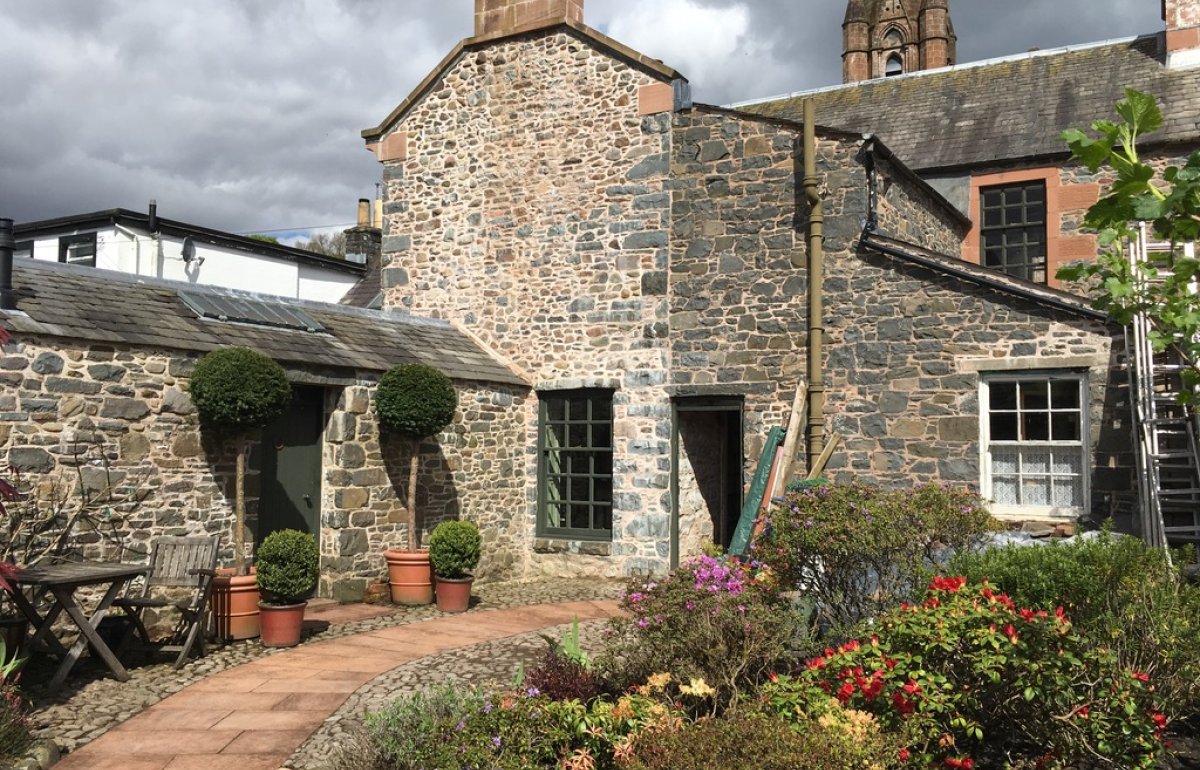
Niamh Ní Shúilleabháin, SPAB Scotland Guardian reveals the labour of love to repair the 18th century Archbald Moffatt House, a members…
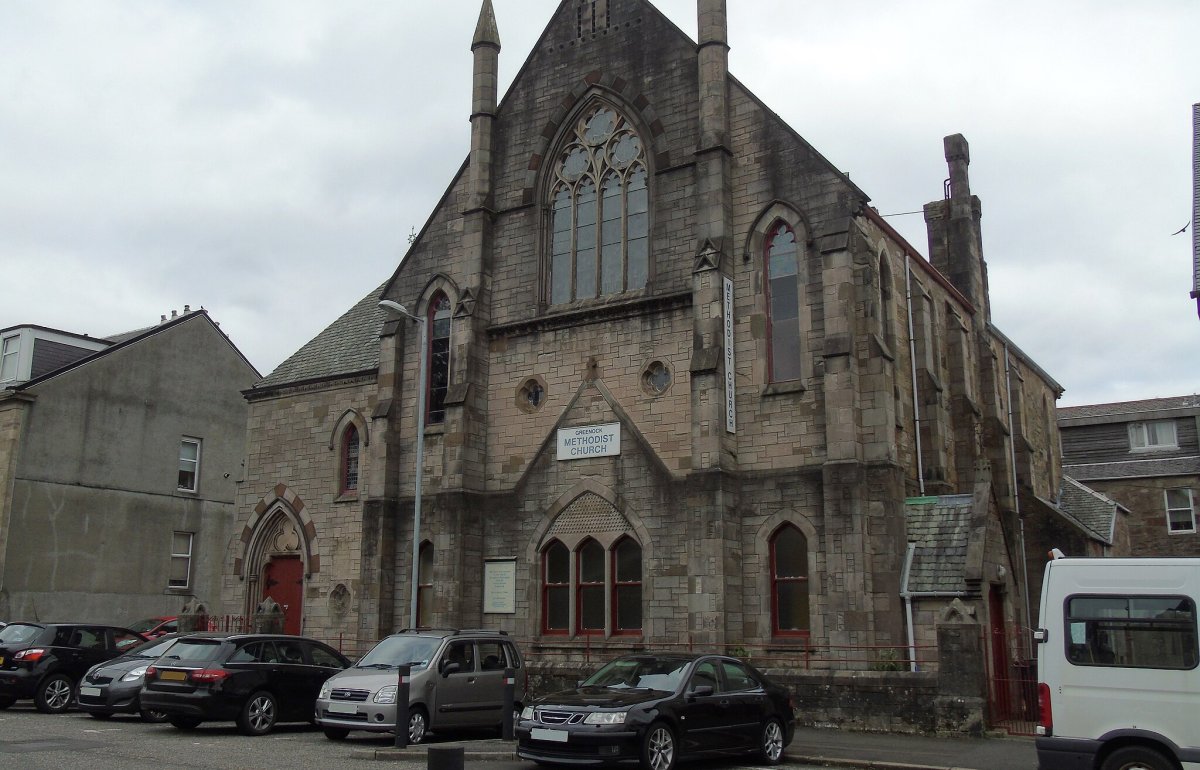
SPAB Scotland Casework Volunteer Francis Brown describes how Greenock Methodist Church, Inverclyde, has been saved from demolition, partly thanks…
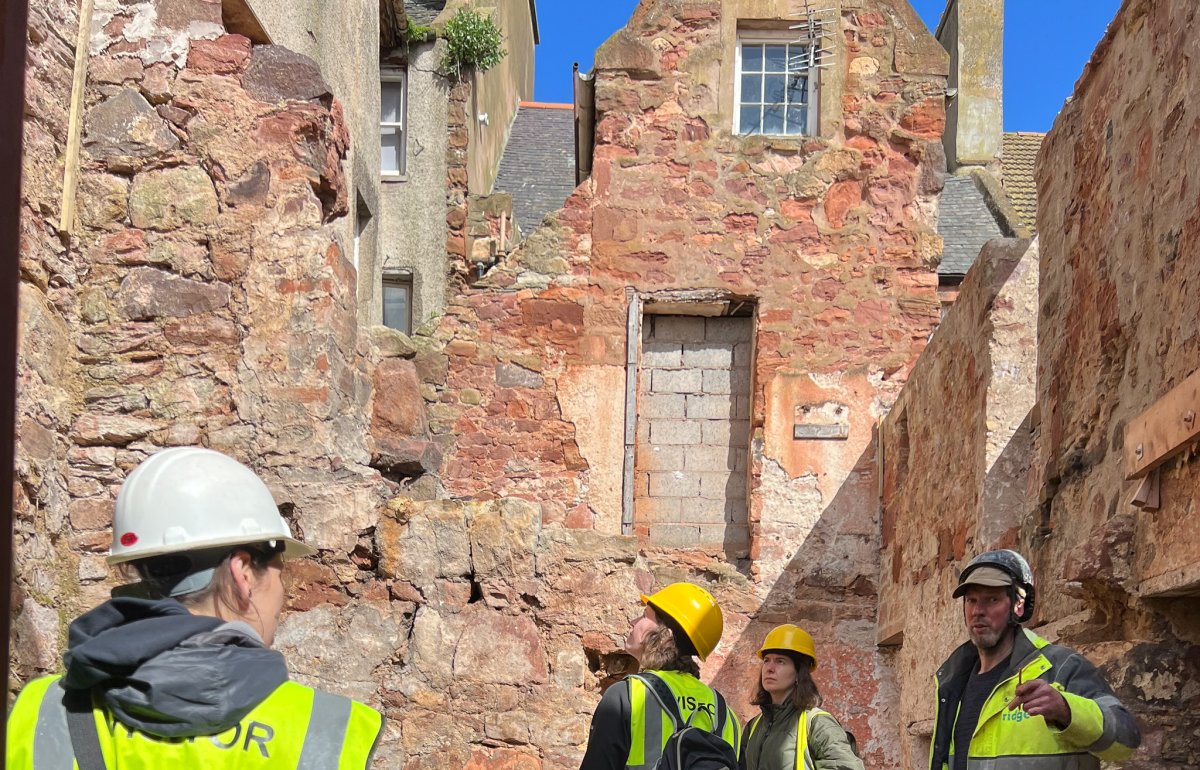
When it comes to old buildings, sustainability is about so much more than energy-efficiency. We explore how the 'Building 4 Black Bull…
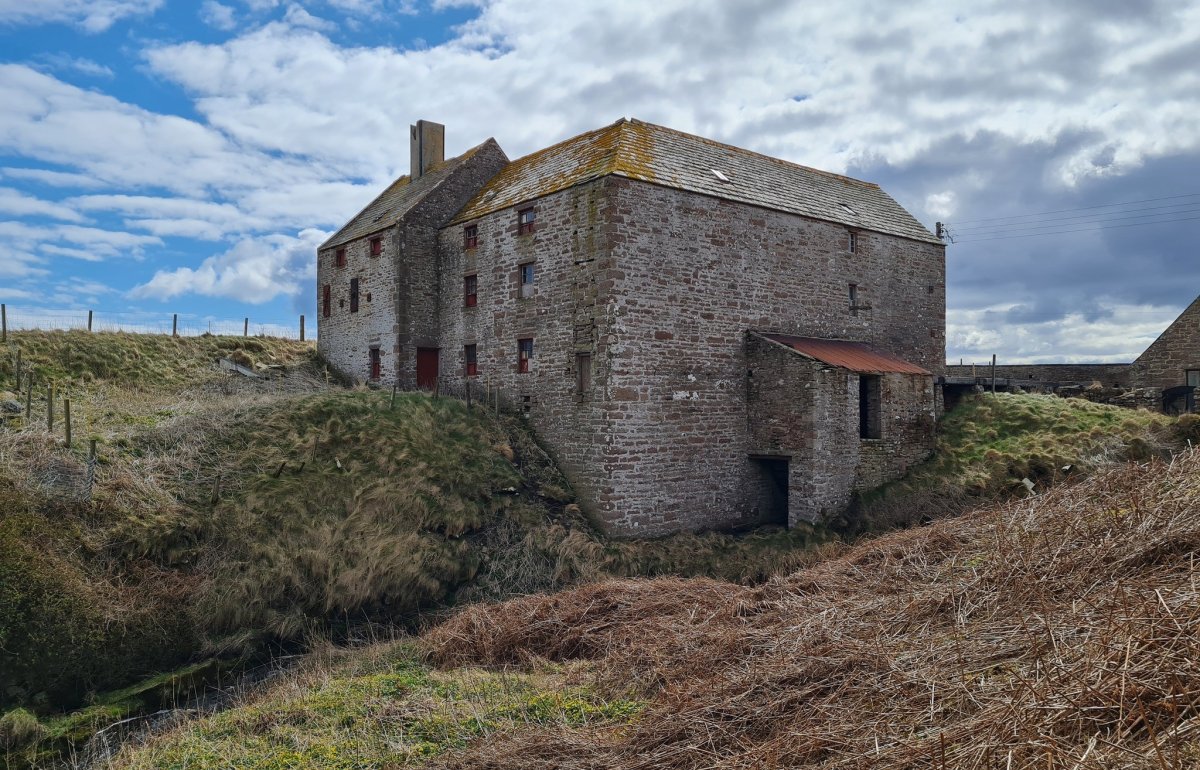
The John O’Groats Mill Trust has been awarded…
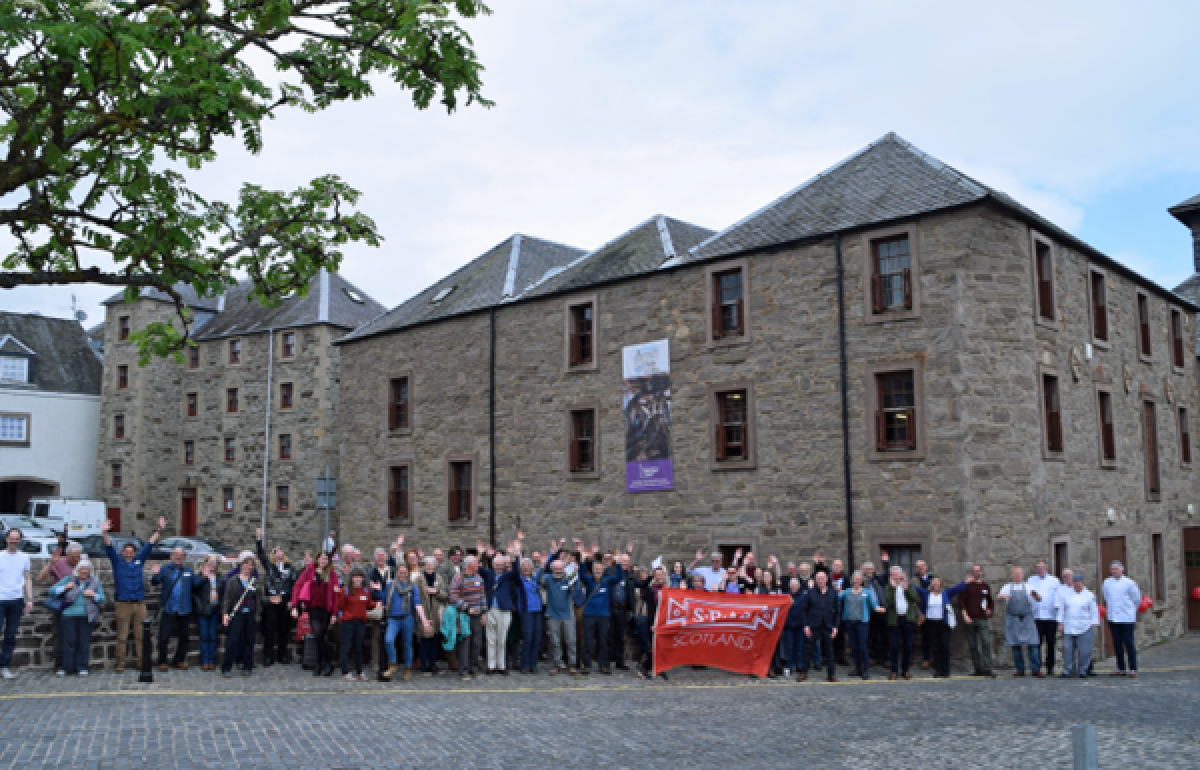
As SPAB Scotland prepares for another fantastic Scottish Mills Weekend this May, we’re looking back on some of the wonderful mills featured…
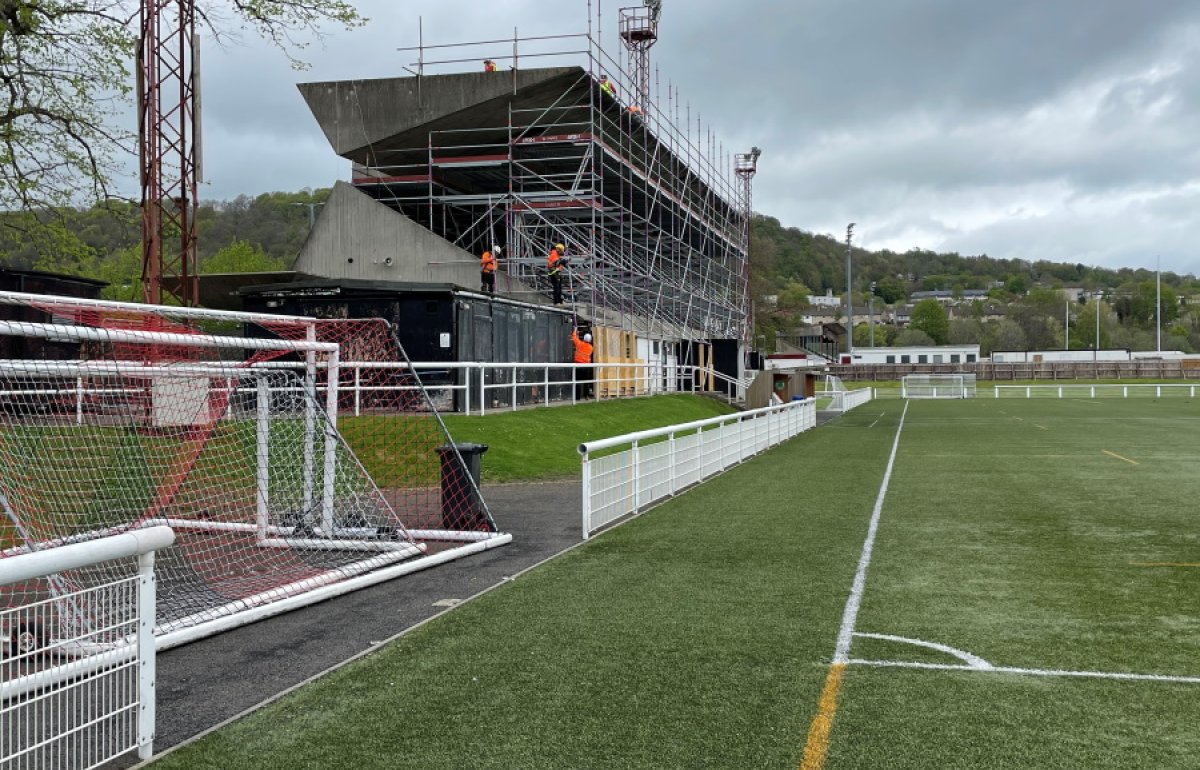
2022 SPAB Scholar architectural assistant Jacob Long reports on an inspiring visit to Gala Fairydean Rovers in Galashiels…
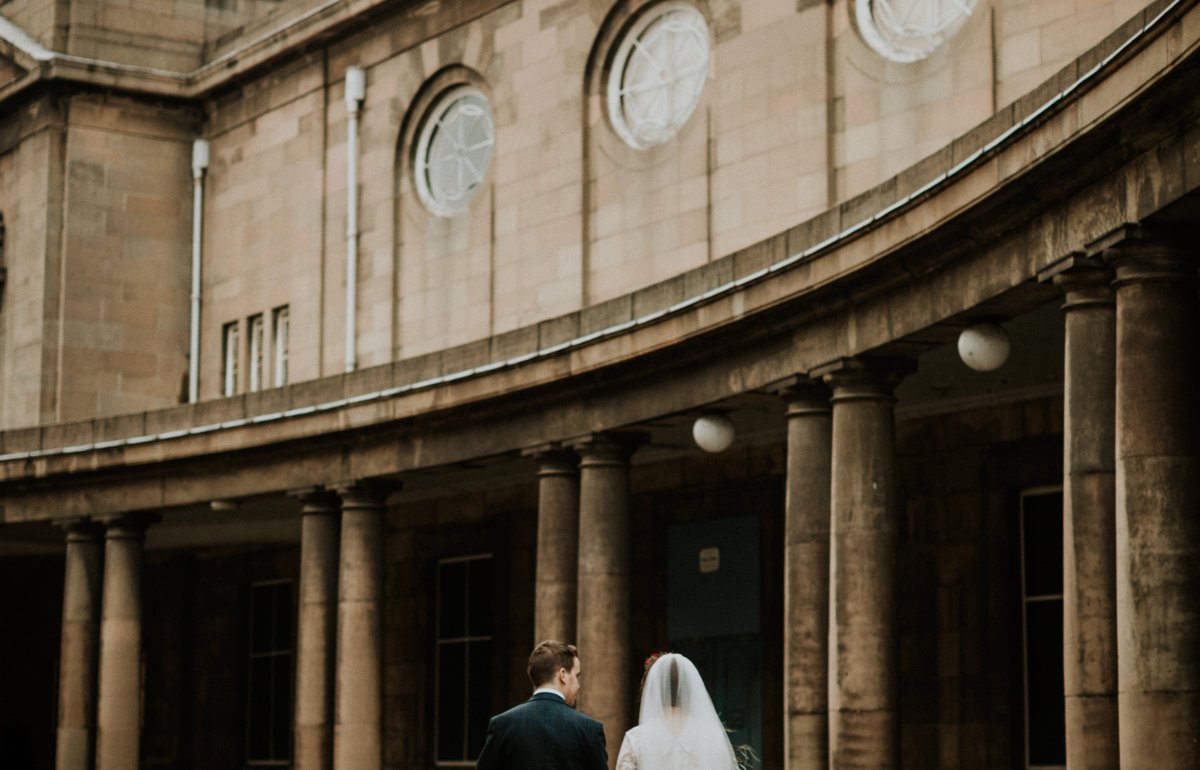
For Valentine’s Day we thought we’d explore buildings we love, or which inspire romance. SPAB development officer, Laura Calder, writes about the…
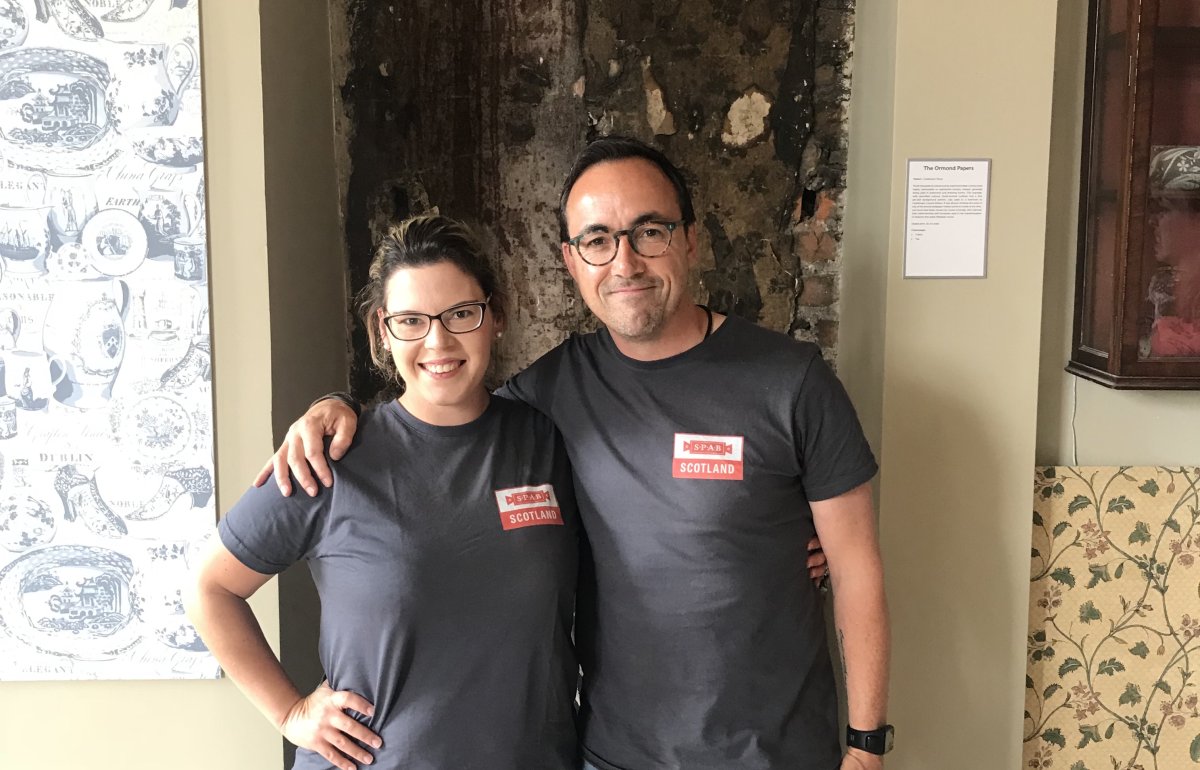
The SPAB is active in Scotland and Ireland and we're so lucky to have dedicated volunteers who work hard to raise awarness and organise…
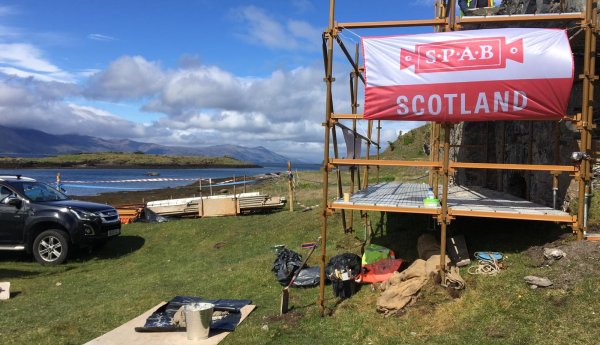
Over the end of May bank holiday weekend, SPAB Scotland held a working party on the beautiful island of Lismore, in the Inner Hebrides. SPAB…