

Conservation architect and 1990 SPAB Scholar Nicola Westbury considers the critical question of construction materials for repairing old buildings.
The built environment requires materials, as well as labour, for construction work. Well-considered material choices are made with sound knowledge of the materials, together with understanding of the building, supported by easily accessible, relevant information. Materials need to meet performance requirements as well as sustainability and cost expectations and for old buildings, the availability of raw materials and the skilled labour to process need consideration too.
Raw materials are either inorganic or organic. For construction, they are used either more or less in their natural state or processed in a variety of ways, all of which have repercussions on people and the environment. Inorganic building materials include stones, sands and clays. Organic materials are plant-based, such as timber, or animal-based, such as glues. Inorganic materials are finite resources and tend to be more durable than organic ones whereas the latter are renewable and often with a shorter service life than inorganic materials.
Raw materials
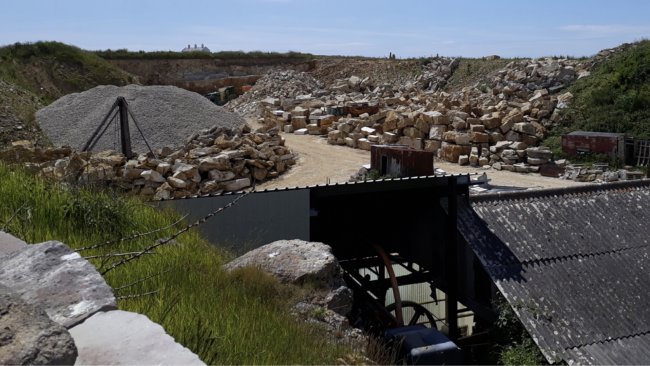
Historically, raw materials were sourced and worked at, or close to, the building site. Local water and energy sources were used. Local craftspeople provided the labour, later supplemented by itinerant craftspeople with specialist skills. The quality and quantity of materials taken were appropriate to the needs and durable materials reused. The impacts on the natural environment and the people were reasonably contained.
Further processing of raw materials may include activities such as cutting, washing, refining, mixing and applying heat, for which water, energy and time are needed too. Stone ore is heated to produce metals, and sand is an ingredient of glass. Fired clays create ceramics including bricks and tiles. Metals are smelted together to form alloys including bronze and steel. Felled trees are logged. When choosing a material, we need to consider the sustainability of both the raw material and its processing. Recycled materials are used regularly now in some processes including steel, glass and brick making.
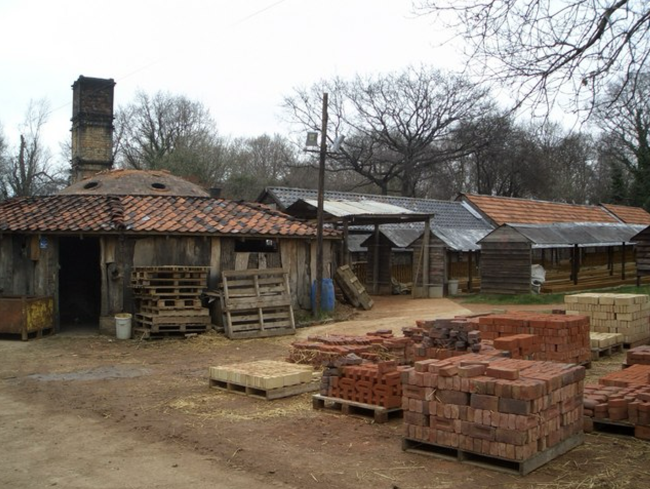
In the past as transport methods improved and urban areas grew, it became economically feasible to source materials from increasingly further afield. Now, despite efforts to achieve sustainable development, construction materials are produced and transported around the world. The dislocation between buildings, their raw materials, processing and the skills needed has significant environmental and social repercussions. Yet, for old and new buildings, local materials and their processing, small and larger scale, can be supported within local communities and throughout the UK.

Local and national approaches
All materials require land from which the material is extracted or grown and further land for selection and processing. People are needed to carry out these activities, often close by and with specialist skills. But this will only happen with the willing co-operation of landowners, combined with statutory recognition and support. Minerals development plans and forestry regulations can actively facilitate small-scale materials working and production. Changes to national and local policies are essential to support and grow the material sources and the skilled craftspeople required and to create an economically feasible long-term market for them.
Active support from land and building owners, local communities and authorities helps maintain local materials production for historic buildings repairs. New sources of materials can be developed either for a particular project or for the short or long term. If planning policies and guidance require the use of a particular material, whether locally distinctive or not, those policies must also support the material source and its production. Without local support for material extraction and production, the use of that material will cease.

Specifying and sourcing
Sometimes for repair works, there may not be any choice of the material needed. For a heritage asset with statutory protection, such as a listed building, ‘like-for-like’ repairs may not require authorisation. So, the repair materials, and the construction methods, have to be the same as the existing ones. The advice of the local planning authority historic environment conservation officer may be needed.
In other situations, the existing material may not be performing well or may no longer be appropriate or available, or the source exhausted. A stone may have characteristics that cannot be matched by a stone from anywhere else and the quarry is worked out. It is likely then that an alternative, similar material will have to be sourced. Where works would affect the character of a listed building, written authorisation is required. It is an offence punishable with a fine and/or imprisonment if authorisation is not obtained when it is needed, or consent conditions are not met.
A wide range of material types might be available, such as bricks and timbers, or a very particular material might be needed. The rarer a material, and the skills needed to produce it, the more the material needs to be valued and protected. Choosing locally distinctive materials, and those produced in the UK more widely, helps support their continued use and the skills needed to produce those materials.
Since the mid to late 20th century, some non-traditional materials have been used for historic buildings. Some have been found to be less than successful in practice, such as stone consolidants, now used only as a treatment of last resort. Other materials have evolved gradually to suit the needs of traditionally constructed buildings, such as several types of insulation to improve the thermal performance of the external envelope. It will take time to see which of these non-traditional materials endure in use in historic buildings.
Guidance and information
So, the wealth of information available on materials, including their sustainability, needs careful scrutiny if well-considered material choices are to be made. There are several organisations which provide guidance. These include the SPAB’s own website and Historic England guidance on selected materials. The Alliance for Sustainable Building Products aims to enhance the quality, health and sustainability of the built environment. Construction materials libraries tend to concentrate on modern construction and ignore the needs of historic buildings.
First published in SPAB members-only magazine. Become a SPAB member to see the latest SPAB Magazine and get access to digital back issues.