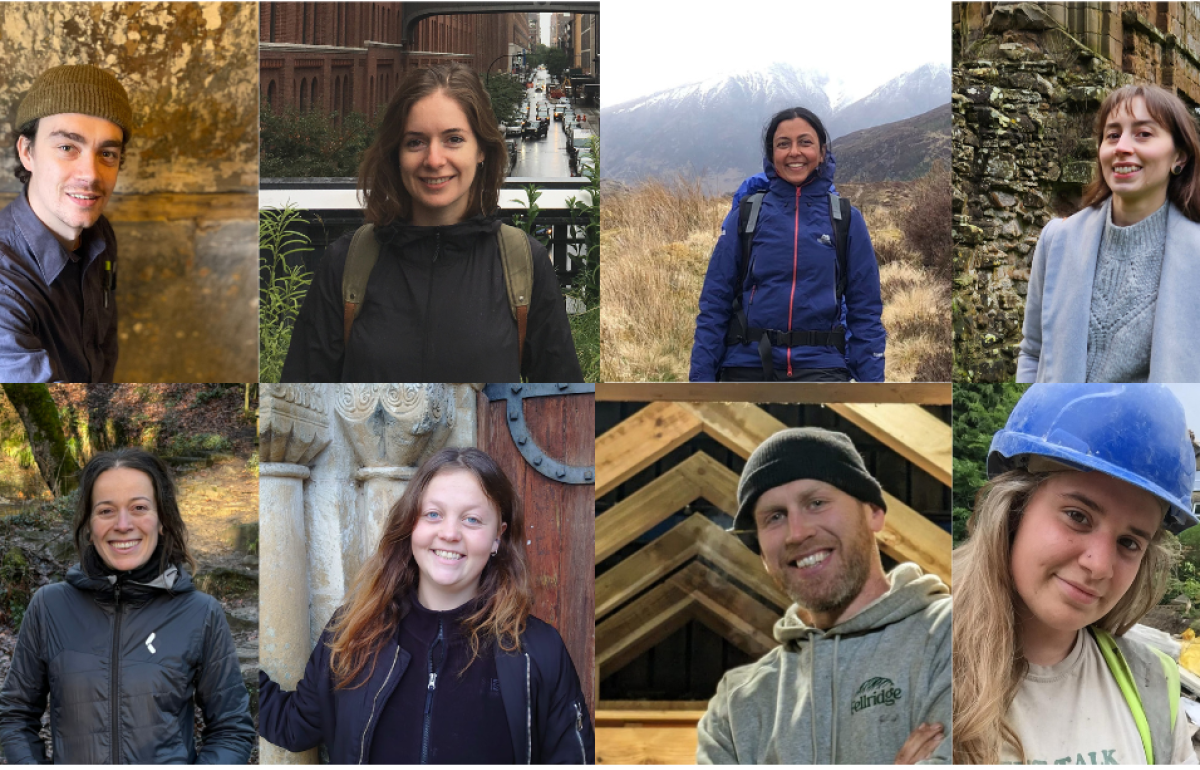
Our 2024 Scholars are:
- Hannah Bass, architect
- Chloe Chambers, architect
- Sarika Jhawar, architect
- Jen Langfield, architect

"A unique opportunity to combine my love of historic buildings, travel and meeting new people. It enabled me to develop my own conservation philosophy based on the many different approaches we saw and the people we met. I feel very inspired and excited to continue my career as a conservation engineer."
- Triona Byrne, 2016 Scholar
The Scholarship is a unique training programme for early career architects, surveyors and engineers to gain the skills and knowledge they'll need to work with traditional buildings.
This intensive nine-month programme gives Scholars the chance to travel the country together learning on site from specialist craftspeople and building conservation experts.
Many Scholars are now among the leading conservation experts in the UK and overseas, looking after a wide range of historic buildings and sites in a variety of roles.
Please download the Scholarship Information Pack for more details.
Applications for 2024 are now closed. Subscribe to our e-newsletter to hear when applications open next year, as well as other ways you can get involved with the SPAB.
The Scholarship is a full-time programme running from March to November.
The programme is bespoke and flexible each year, based on the opportunities available and Scholars’ needs and interests. Learning takes place through site visits, first-hand experience and informal discussion rather than formal lectures or submissions.
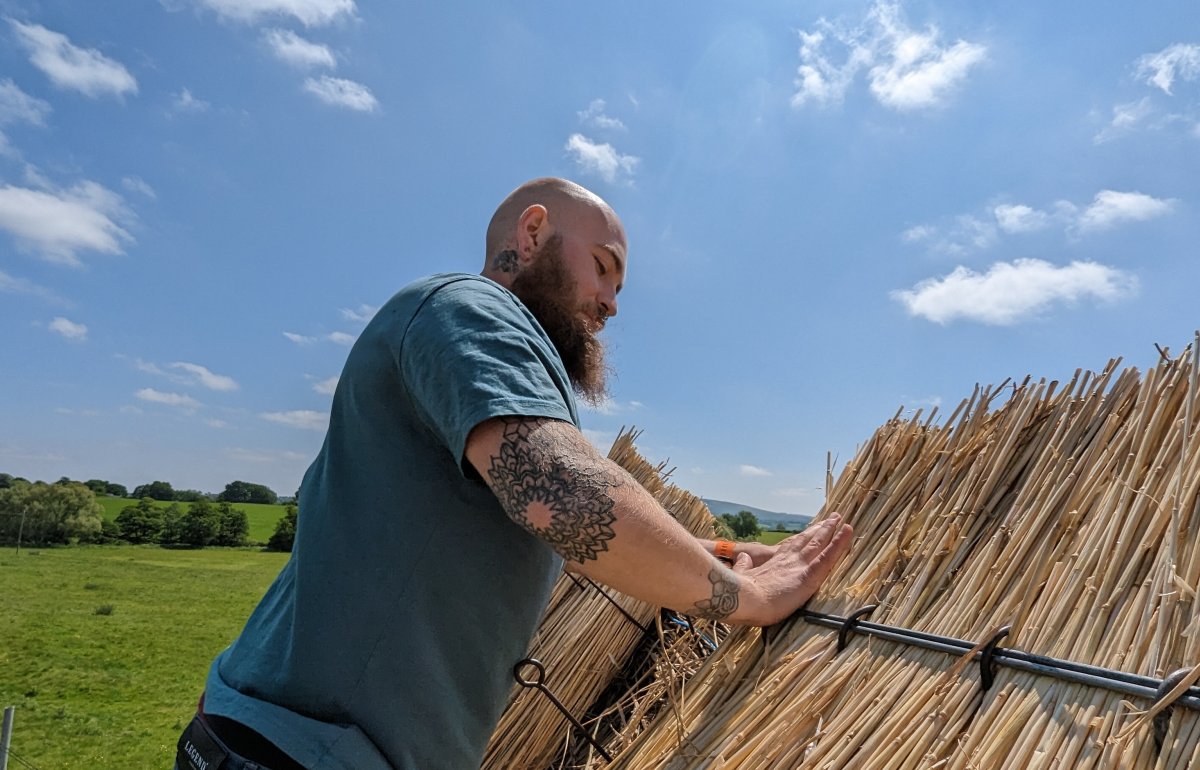
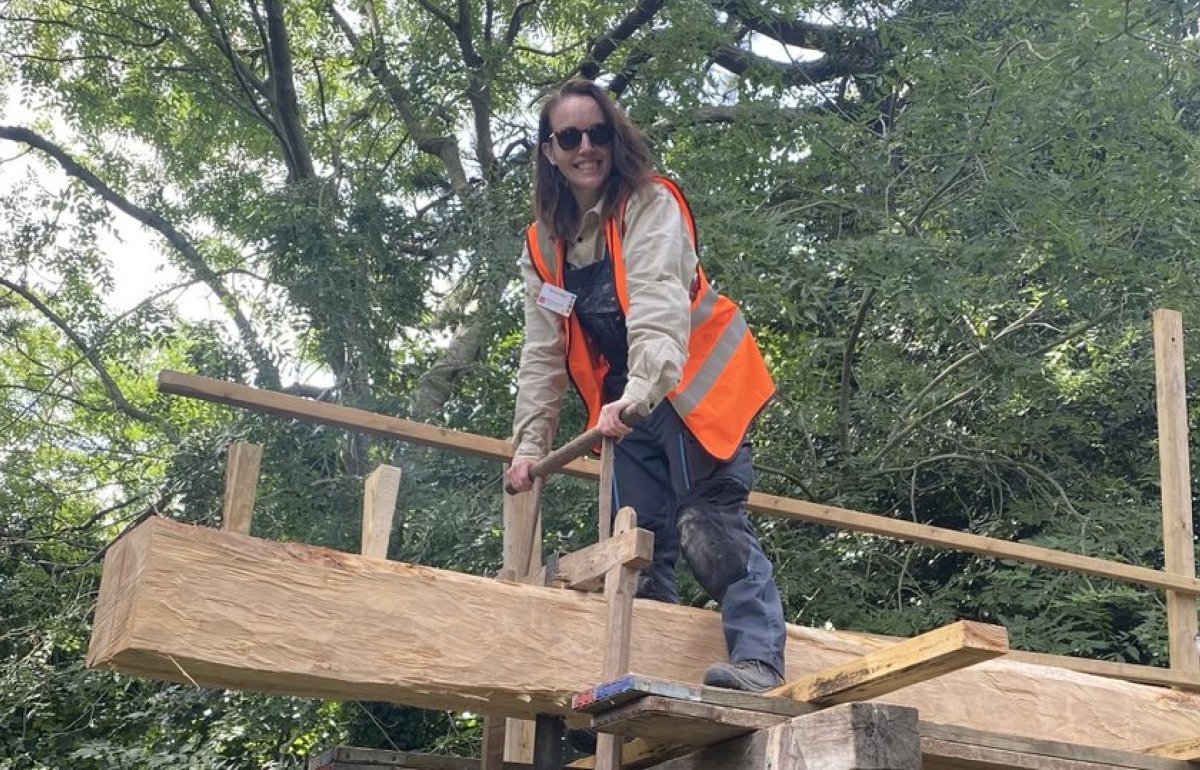
Scholars travel the country to meet leading conservation professionals. They visit architects, surveyors, engineers, conservators, analysts and craftspeople at building sites, offices, workshops, yards, quarries and foundries to see repair work and gain hands-on experience where possible. Scholars will also spend some time traveling with the SPAB Fellows (craftspeople).
This is a full-time, intensive programme, including some weekend work, so cannot be combined with other work or study.
There are no formal lectures or submissions. Instead, Scholars will submit a selection of pages from their sketchbooks at the end of the programme. Scholars will also report on their progress to the SPAB team at various points throughout the programme, and share updates for the SPAB’s communications channels.
The programme is run by Scholarship Officer Catharine Bull and overseen by the SPAB’s Education and Training Committee.
There is no course fee.
Scholars receive a non-taxable bursary in the region of £10,500 paid in monthly payments from March to November inclusive (approx £1,050/month).This bursary is a contribution towards costs and will not cover full expenses.
Additional funds beyond the bursary payments will be required, normally between £4,000 and £6,000.
Three or four Scholarships are awarded each year.
Applications are welcome from early-career architects, building surveyors, structural engineers and other conservation professionals seeking to be decision-makers in historic building repairs. Please see the Scholarship Information Pack for eligibility criteria.
The SPAB recruits Scholars on merit and is committed to eliminating discrimination and encouraging diversity in the sector. We particularly welcome applications by people from backgrounds under-represented in building conservation (such as those from disadvantaged socio-economic background, women and black and minority ethnic communities).
Please note that the offer of a SPAB Scholarship is subject to the applicant providing evidence of their right to live and work in the UK. The SPAB is not a registered sponsor body for the purpose of visa applications. Applicants from outside the UK and Ireland should check their eligibility for a UK visa before applying to the scheme. Please check the UK government website for more information.
Candidates selected for interview will be given the names of one or two recent past Scholars to contact. It is important that applicants contact, and ideally meet, at least one past Scholar to gain an accurate impression of the Scholarship and what it entails personally, professionally and financially. For more information about interviews, please check the information pack.
You can find out more about our past and current Scholars on our blog.
Applications for 2024 are now closed.
Subscribe to our e-newsletter to hear when applications open next year, as well as other ways you can get involved with the SPAB.
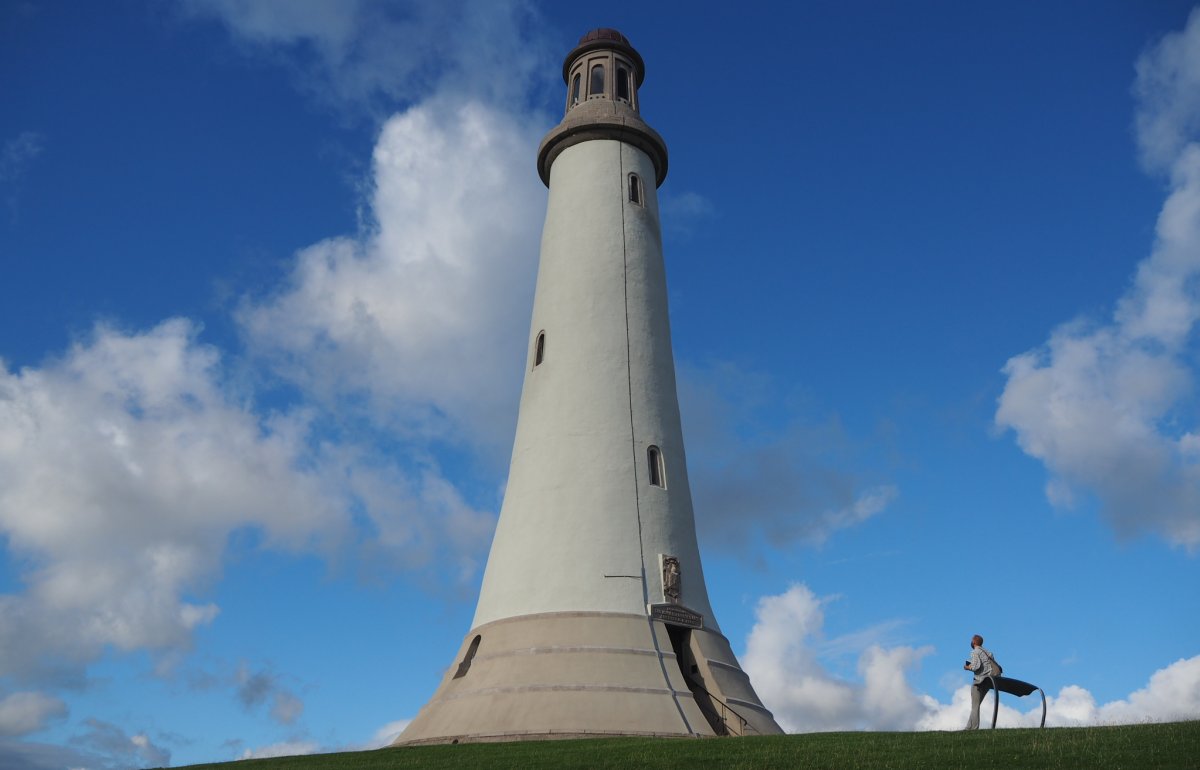
Our 2024 Scholars are:
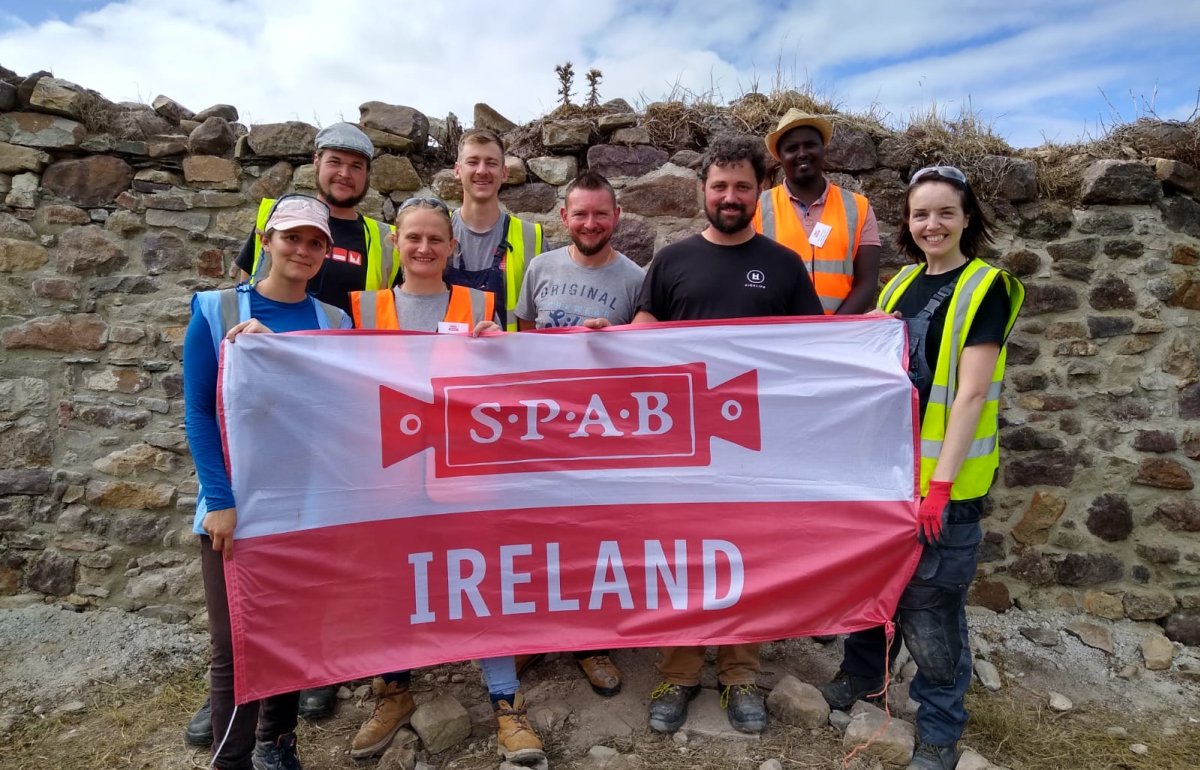
The SPAB is grateful to all donors and sponsors who support the Scholarship programme and make it possible for us to continue offering this unique, hands-on learning experience. The Scholarship was founded to ensure the passing down of skills and knowledge to the next generation of building professionals entrusted with the care of our old buildings.
We are grateful to all the supporters who make the Scholarship programme possible: Dance Scholarship Trust, Drake Trust,The National Philanthropic Trust, Fenton Arts Trust, Historic England, The John Vickers Charitable Trust, Patrick Plunket Memorial Trust, as well as the many hosts who give their time, energy, expertise and hospitality to make the Scholarship possible.